CBAM and Fertilizers: The Cost for the European Farmer
11 November, 2026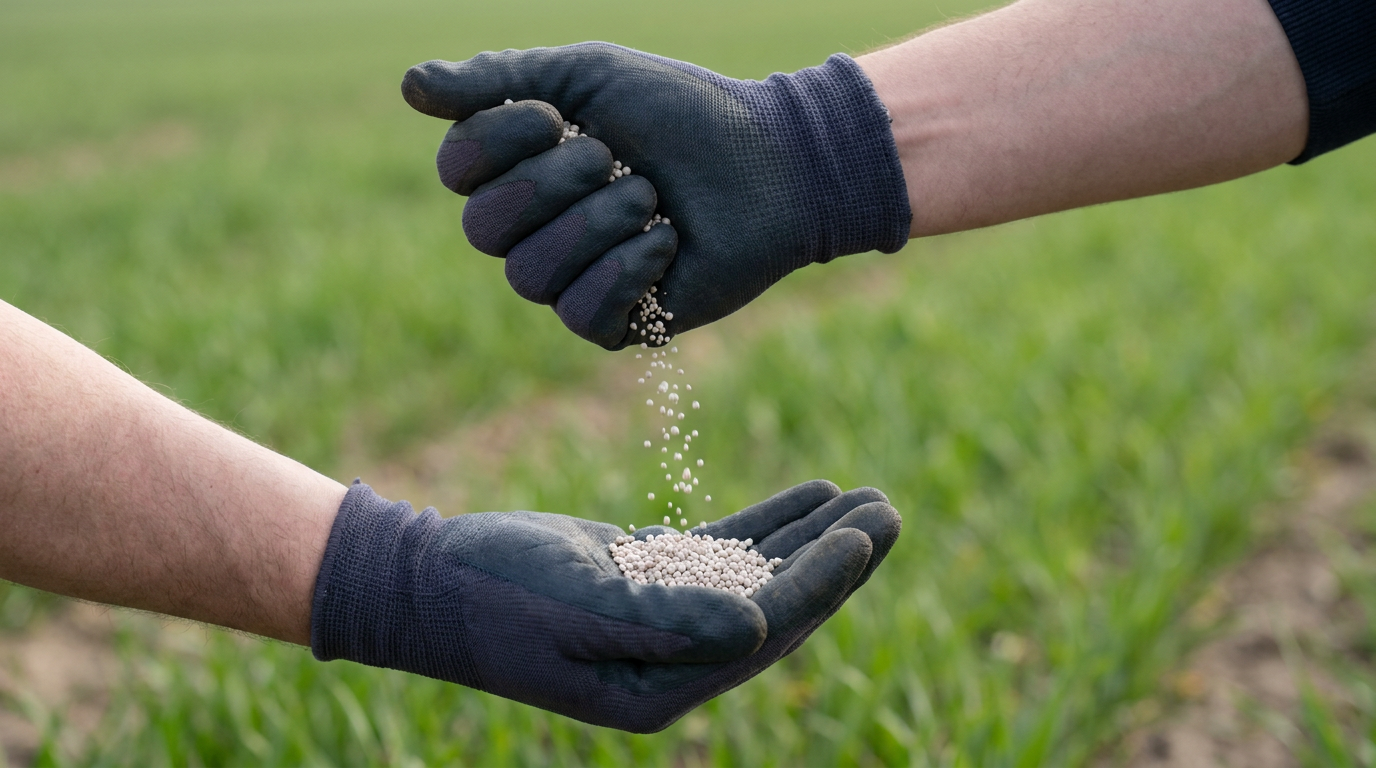
In January 2026, Europe activated the Carbon Border Adjustment Mechanism (CBAM), effectively placing a price on carbon emissions for every ton of fertilizer imported into the EU.
The scope includes ammonium sulfate, urea, nitrates, and, more generally, nitrogen-based fertilizers. The initial financial burden falls on the companies importing these raw materials, as they are required to purchase CBAM certificates for every ton of CO₂ embedded in the imported products.
From there, however, the cost inevitably trickles down: it is reflected in the price of the fertilizer—on the shelves of agricultural cooperatives or local farm supply stores—and, ultimately, reaches the farmer’s field.
How the CBAM burden evolves up to 2034
And the worst is yet to come. Currently, only 2.5% of emissions are covered by certificates. However, free emission allowances are being phased out—reaching zero by 2034—a development that will cause fertilizer prices to skyrocket.
The most drastic shift will occur between 2029 and 2030, when the CBAM factor more than doubles within a twelve-month period. An academic study published in the *Journal of Agricultural Economics* (Stepanyan et al. 2026) estimates that the combination of the ETS and CBAM will cause the prices of nitrogen-based fertilizers to double by 2030.
International turbulence and pressure on agricultural income
As if that were not enough, the conflict between the US and Iran added fuel to the fire. The closure of the Strait of Hormuz—through which one-third of the global seaborne trade in fertilizers passes—caused urea prices to surge by 80% within weeks. A truce reached in June collapsed in July, and prices remain highly volatile.
Meanwhile, as the cost of supplies rises, the prices of agricultural products remain stuck at low levels. Wheat, rice, and cotton are being sold at or even below the cost of production. Farmers find themselves under intense pressure, facing rising input costs while their revenues remain stagnant.
Why targeted support for farmers is needed
CBAM revenues flow into the European budget. Logic dictates something simple: the funds collected at the expense of farmers should be returned to them—through targeted grants for precision agriculture, equipment modernization, and the optimization of fertilization. This must be done according to clear rules, rather than through across-the-board handouts. Otherwise, CBAM is not a “green” policy; it is merely a burden with no tangible return.