Integrated Nutrition Solutions for High Productivity in Cotton Cultivation
04 April, 2026
Cotton fertilization is not only about meeting the crop’s nutritional needs, but also about optimizing the efficiency of each fertilizer unit applied to the field. In an environment of increased costs and environmental demands, choosing the right type of fertilizer and the right stabilization technology is of crucial importance. The use of products with Limus® dual inhibitor technology allows for better utilization of nitrogen, reducing losses and enhancing fertilization efficiency.
The Importance of Basic Lubrication
In basic fertilization, the choice of the appropriate type determines the basis on which the entire growing cycle will develop. The 30-10-10 Powered by Limus® and 15-15-15 Powered by Limus® types are complete solutions, as they combine balanced nitrogen supply with full coverage of phosphorus and potassium, forming a stable and reliable nutritional foundation. Of particular importance is the high water solubility of phosphorus contained in Agrohellas fertilizers, as it ensures its immediate availability in the rhizosphere. Phosphorus is characterized by low mobility in the soil, which makes the form in which it is applied critical. The use of phosphorus with a water solubility of over 90% at the beginning of cultivation ensures its immediate absorption, enhancing the rapid establishment and dynamic start of the plant.
30-10-10 Powered by Limus® is an enhanced basic fertilization option, offering a higher nitrogen concentration for fields with increased production potential and greater demands. On the other hand, 15-15-15 Powered by Limus® provides a perfectly balanced composition, ensuring a uniform supply of all three essential elements during crop establishment.
Surface Fertilization: Nitrogen Protection
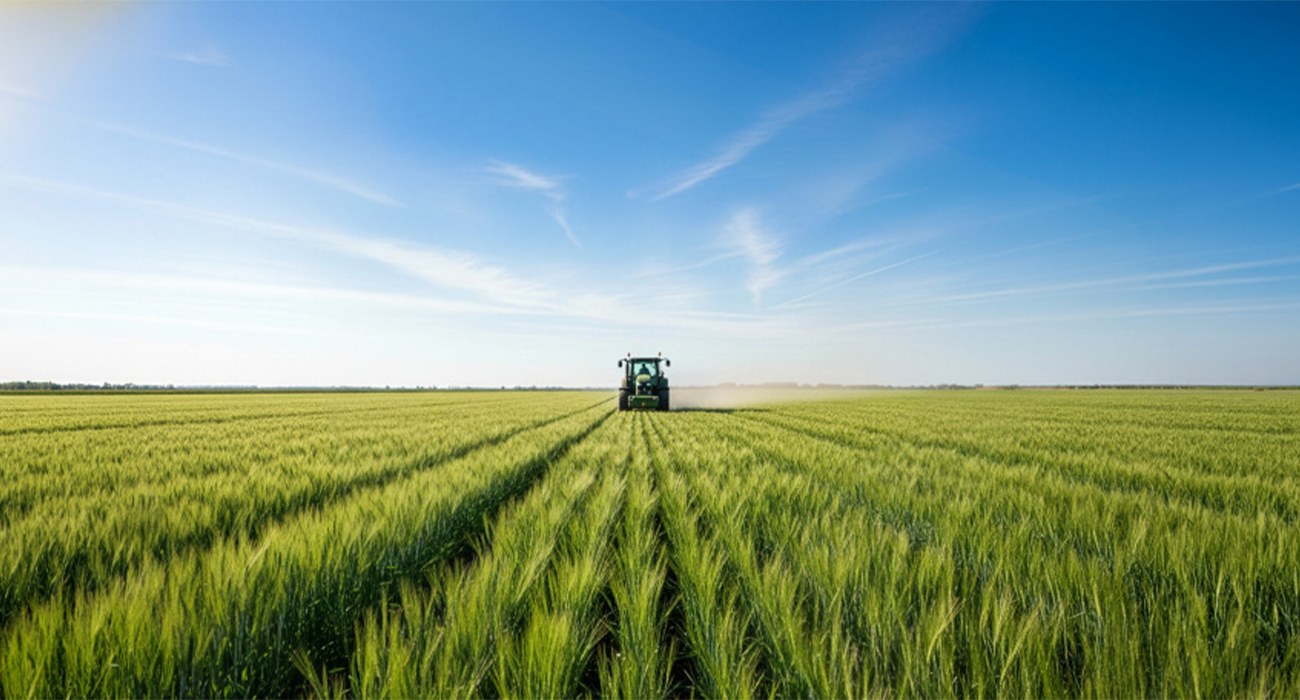
Top dressing in cotton focuses exclusively on the supply of nitrogen, as it is the element with the greatest mobility but also the greatest losses in the soil. The types 46-0-0 Powered by Limus® and 40-0-0 Powered by Limus® are two of the highest concentrated sources of nitrogen, allowing the producer to meet the needs of the crop with precision and flexibility.
In addition to the use of high-quality raw materials, the Limus® dual inhibitor technology plays a key role. This technology slows down the action of urease enzymes, significantly reducing nitrogen losses through volatilization and keeping a greater percentage of the element available to the plant for a longer period of time.
In practice, this technology ensures that the producer’s investment in fertilization yields maximum returns, limiting unnecessary losses to the environment.
In summary, rational fertilization in cotton is based on the right choice of types and the use of modern technology. The combination of balanced basic fertilization with high water solubility of phosphorus and targeted surface fertilization creates a comprehensive nutrition program. Limus® technology enhances nitrogen stability, reduces losses and improves the utilization of the investment, ensuring greater nutritional security and improved economic results for the producer.
VARIETY INFORMATION
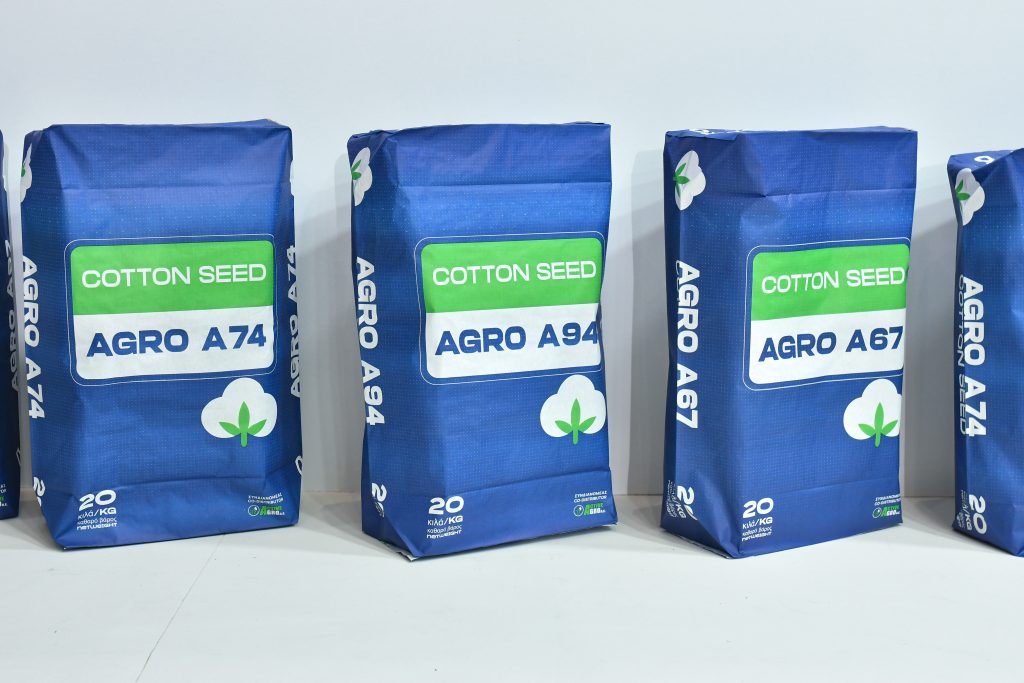
Agro A67: Very early variety with high production potential. It has all the agronomic characteristics that make it a suitable choice for the Greek producer. Wide adaptability. Ease of management with the ability to correct cultivation failures. Resistance to salinity and andromycosis. Excellent germination capacity and first growth. Top fiber yield.
Agro A74: Early variety with high yields in both seed cotton and fiber. Strong, deep-rooted plant with excellent germination capacity. Fast initial growth and abundant fruiting. Resistance to andromycosis. Fuzz on the foliage that makes it tolerant to sucking insects. Excellently adapted to the climatic conditions of Greece.
Agro A94: Early variety, with wide adaptability with excellent yields in all soil types. Easy to manage. Resistance to water stress conditions which makes it a suitable choice for dry cultivation. Excellent fruit setting. Excellent opening and retention of the fiber in the capsule. Medium to intense fluff on the foliage. High fiber yield.